


Every successful construction project begins with effective project planning and management. Whether developing residential homes, commercial buildings, or large-scale contracting works, structured planning and disciplined management are essential to achieving timely, cost-effective, and high-quality results.
Project planning starts with defining the project scope, objectives, and deliverables. This phase establishes clear expectations and helps identify potential challenges early. By developing detailed schedules, budgets, and resource plans, construction teams can create a clear roadmap that guides execution from start to finish.
Efficient project management ensures that all construction activities remain aligned with this plan. It involves coordinating contractors, suppliers, and site teams while continuously monitoring progress. Regular tracking allows managers to identify delays or deviations and take corrective action before they affect timelines or budgets.
Cost control is a major benefit of professional project management. Through accurate forecasting, procurement planning, and budget monitoring, unnecessary expenses are minimized. This disciplined approach helps clients maintain financial control while ensuring required quality standards are met.
Risk management also plays a vital role. Construction projects often face uncertainties such as material delays, design changes, or site constraints. Proactive planning and ongoing assessments allow risks to be managed effectively, reducing disruptions and protecting project outcomes.

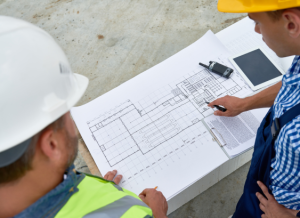
Communication is another critical element. Clear reporting, coordination meetings, and progress updates keep all stakeholders informed and aligned. This transparency builds trust and supports smoother decision-making throughout the project lifecycle.
In modern construction, project planning and management are not just supportive functions—they are the backbone of successful delivery. When projects are guided by structured planning, expert coordination, and continuous oversight, they achieve better efficiency, improved quality, and long-term value for all stakeholders.