

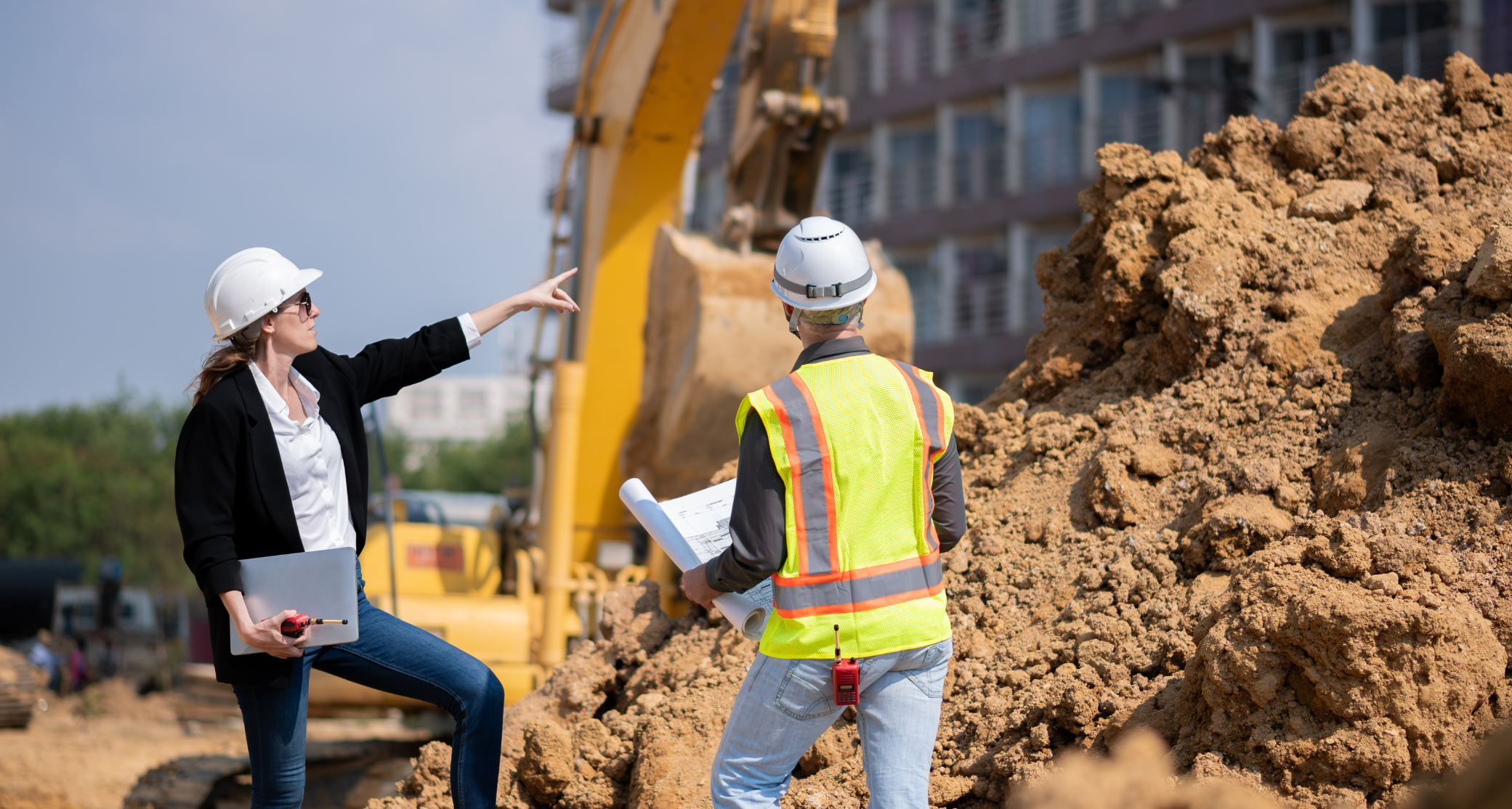
Commercial building construction requires a different level of planning, coordination, and execution compared to other project types. Commercial spaces must balance functionality, safety, compliance, and long-term operational efficiency while meeting strict deadlines and budgets.
A successful commercial building project begins with detailed planning. This includes understanding business requirements, space utilization, regulatory approvals, and construction timelines. Proper planning ensures that offices, retail spaces, and commercial facilities are designed and built to support daily operations without compromise.
During execution, coordination becomes critical. Multiple trades, suppliers, and stakeholders must work together seamlessly. Professional construction management ensures that each phase—from structural works to mechanical systems and interior finishes—is aligned with the overall project objectives.
Quality and compliance are especially important in commercial buildings. These projects must meet local building codes, fire safety regulations, and accessibility standards. Experienced contractors apply structured inspection and quality control measures to ensure full compliance while maintaining construction efficiency.
Another key factor is minimizing disruption. Many commercial projects are constructed in active business environments. Phased execution and site management strategies help reduce operational impact while maintaining safety and productivity.
Commercial buildings are long-term investments. When constructed with precision and expertise, they provide businesses with durable, efficient, and adaptable spaces that support growth and performance for years to come.